
TLC Med Clinics
Understanding Anxiety: Everyday Worry, Anxiety Disorders and Panic Attacks
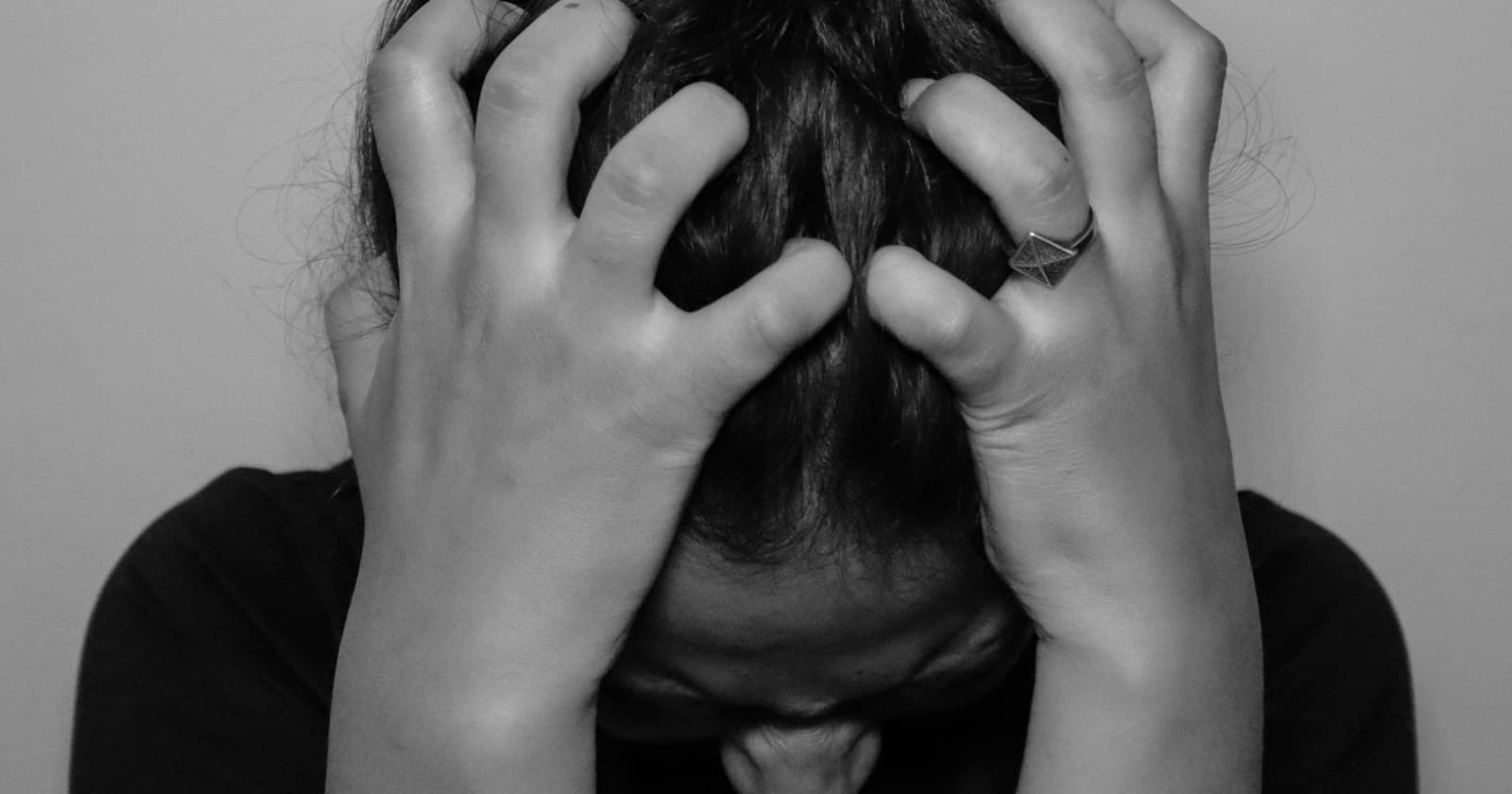
Anxiety is the body's alarm system. Before an exam, an interview or a difficult conversation, a little anxiety sharpens attention and helps us prepare. The problem starts when the alarm keeps ringing — when worry is constant, out of proportion, or arrives with no clear reason. At that point anxiety stops protecting you and starts limiting your life.
Normal worry vs an anxiety disorder
| Everyday worry | Anxiety disorder | |
|---|---|---|
| Trigger | A real, specific situation | Many situations, or no clear reason |
| Control | Settles once the situation passes | Hard to switch off |
| Duration | Short-lived | Most days, for weeks or months |
| Effect on life | Manageable | Affects sleep, work, studies or relationships |
Generalised anxiety disorder, for example, is diagnosed when excessive worry has been present on most days for at least six months.
What anxiety can feel like
Anxiety affects both mind and body:
- constant worry or a sense that something bad will happen
- restlessness, feeling "on edge" or easily irritated
- difficulty concentrating, or the mind going blank
- trouble falling or staying asleep
- muscle tension, headaches or jaw clenching
- a racing or pounding heart, sweating, trembling
- stomach upset, nausea or loose stools
- avoiding places, people or situations that trigger worry
Because the physical symptoms are so real, many people first visit a cardiologist or a gastroenterologist. Tests come back normal, and the anxiety behind the symptoms goes untreated.
What is a panic attack?
A panic attack is a sudden surge of intense fear that peaks within minutes. It can include a pounding heart, chest tightness, shortness of breath, dizziness, tingling, and a feeling of losing control or dying. Panic attacks are frightening but not dangerous in themselves, and they pass. When attacks keep coming back, and the fear of the next one starts changing how you live, this is called panic disorder — and it responds well to treatment.
Important: chest pain and breathlessness can also be signs of a heart problem. If you have never had these symptoms checked, or they feel different from usual, seek emergency care first.
Common types of anxiety disorders
- Generalised anxiety disorder (GAD): ongoing worry about many everyday things
- Panic disorder: repeated, unexpected panic attacks
- Social anxiety disorder: intense fear of being judged or embarrassed in social situations
- Phobias: strong fear of a specific thing, such as heights, flying or needles
- Health anxiety: persistent fear of having a serious illness
Anxiety often occurs alongside depression, and treating both together gives the best results.
How anxiety is treated
Anxiety disorders are among the most treatable mental health conditions:
- Cognitive behavioural therapy (CBT) teaches practical ways to recognise anxious thinking and face fears step by step.
- Medication, most often a type of antidepressant, can reduce anxiety over several weeks. Your psychiatrist chooses the right medicine and dose for you.
- Short-term medicines for severe anxiety are used carefully and only for limited periods, because some can be habit-forming.
- Daily habits help too: regular sleep, limiting caffeine, physical activity and slow-breathing exercises.
A simple breathing exercise to try now
- Breathe in slowly through your nose for a count of four.
- Hold for a count of four.
- Breathe out gently through your mouth for a count of six.
- Repeat for two to three minutes.
A longer out-breath signals the body to calm down.
When to seek help
See a psychiatrist if anxiety has lasted for weeks, if you are avoiding things you need or want to do, if you've had a panic attack, or if you rely on sleeping pills, smoking or other substances to feel calm. At TLC you can be seen in person in Lahore or by video from anywhere.
Book a consultation at tlcmedclinics.com/patient/book or call +92 310 040 4444.
This article is for general information and is not a substitute for medical advice.
- Anxiety
- Panic attacks
- Mental health
- Psychiatry