
TLC Med Clinics
Hair Thinning and PRP: Causes, How the Treatment Works and Realistic Results
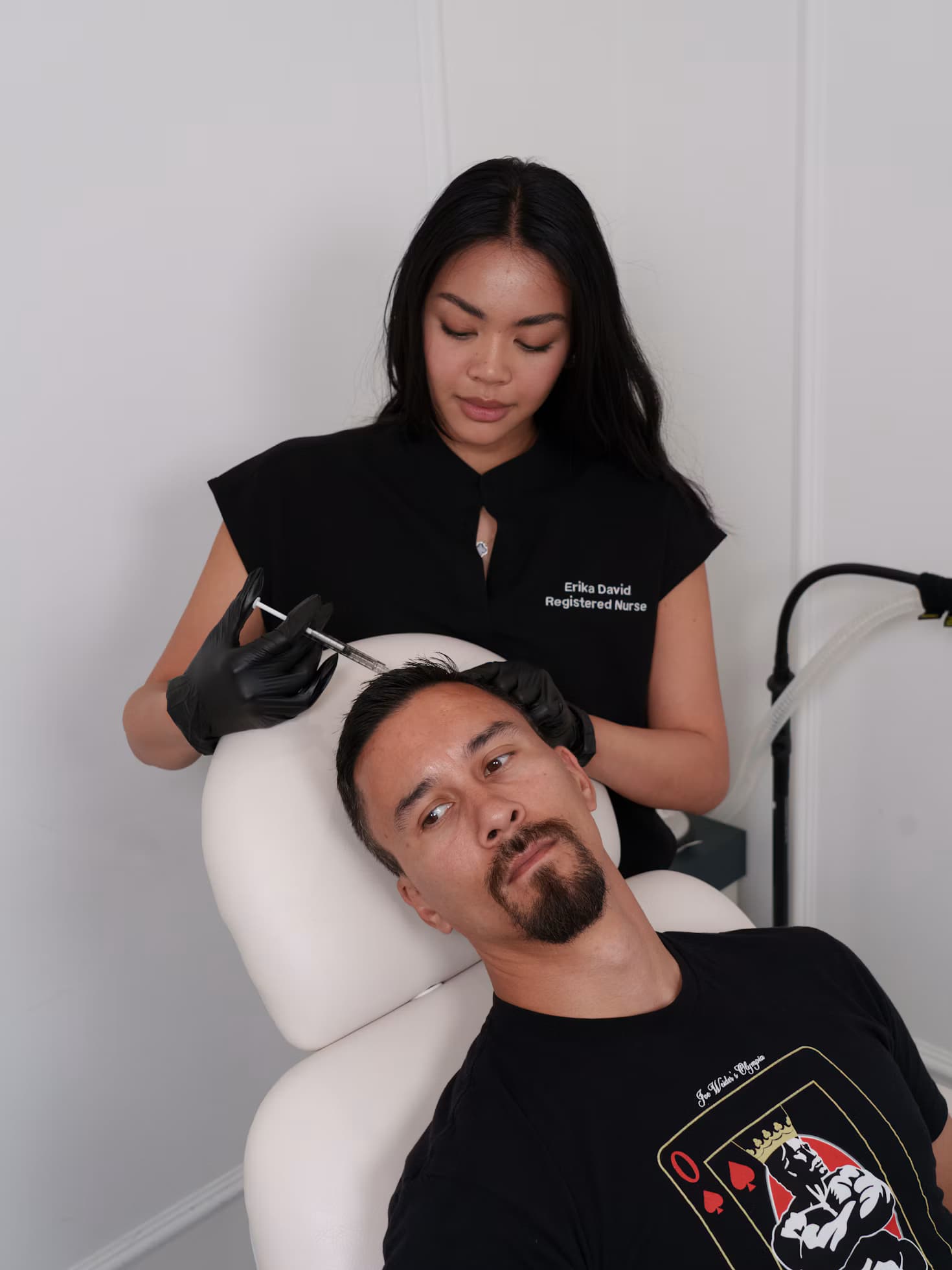
Noticing more hair on your pillow, a widening parting or a thinner hairline can be upsetting. Hair thinning is extremely common in both men and women, and it is not just about appearance — it can affect confidence and wellbeing. The first step is understanding why it is happening, because the right treatment depends on the cause.
Why does hair thin?
| Cause | What it looks like | Typical pattern |
|---|---|---|
| Pattern hair loss (androgenetic alopecia) | Receding hairline or crown in men; widening parting in women | Inherited, gradual |
| Telogen effluvium | Sudden, heavy shedding all over | 2–3 months after illness, fever, surgery, childbirth, crash dieting or major stress |
| Nutritional and medical causes | General thinning | Low iron, vitamin D or B12; thyroid problems; hormonal conditions such as PCOS |
| Hair care and styling | Breakage, thinning at the hairline | Tight hairstyles, heat, harsh chemical treatments |
| Scalp conditions | Round bald patches, flaking or redness | Alopecia areata, scalp infections |
Because several causes can overlap, a proper assessment — sometimes including simple blood tests — comes before any treatment.
What is PRP?
PRP stands for platelet-rich plasma. Platelets are the cells in your blood that help healing, and they carry growth factors. In PRP treatment:
- A small amount of your own blood is drawn, similar to a routine blood test.
- The blood is spun in a centrifuge to concentrate the platelets into plasma.
- The PRP is injected into the thinning areas of the scalp using fine needles.
The growth factors are thought to support weakened hair follicles, prolong the growth phase of the hair and improve hair thickness. Because PRP comes from your own body, the risk of allergic reaction is very low.
Who is PRP good for?
PRP tends to work best for people with early to moderate pattern hair loss who still have active follicles in the thinning areas. It is less effective where an area has been completely bald for a long time, because there are no follicles left to support. It is not recommended for people with certain blood disorders, active scalp infection or some medical conditions, which is why a consultation comes first.
What does a session involve?
A session usually takes about an hour, including preparation. Most people describe the injections as mildly uncomfortable rather than painful, and the scalp can be numbed to help. Afterwards you may have some tenderness, redness or mild swelling for a day or two. Most people return to normal activities the same day; you'll be advised to avoid washing your hair, heavy exercise and harsh products for a short time.
What results can you expect?
Be wary of anyone who promises a full head of hair. Realistic expectations are:
- A course of treatment, typically three to four sessions about a month apart
- Gradual change — reduced shedding first, then improved thickness over three to six months
- Maintenance sessions every few months to sustain results, because pattern hair loss is ongoing
- Results vary from person to person, and PRP often works best combined with other proven treatments your doctor may recommend
Our approach at TLC
We start by finding the cause of your hair loss, then recommend the treatment that fits — which may be PRP, medical treatment, correcting a deficiency, or a combination. We prefer honest, natural-looking improvement over exaggerated promises.
Book a hair consultation at tlcmedclinics.com/patient/book or call +92 310 040 4444.
This article is for general information and is not a substitute for medical advice. Results vary between individuals.
- Hair loss
- PRP
- Hair regrowth
- Aesthetics